There’s nothing quite like a fibromyalgia flare to remind you just how unpredictable life with chronic illness can be. One minute you’re pottering around the house feeling reasonably human, the next you’re hit with that familiar wave of pain and exhaustion that sends you straight back to bed with a cup of tea and whatever comfort items you can gather.
Over the years, I’ve learned that I need to prepare for flares and there’s something deeply comforting about knowing that when the pain hits, everything I need is within arm’s reach. Creating what I call my “bad day box” has been one of the most practical things I’ve done for managing my fibromyalgia.
Let’s take a closer look at some of the things that might come in handy.
The Heat Brigade: Your Temperature Control
Let’s start with heat therapy. My trusty hot water bottle is probably my most-used item. It’s portable, doesn’t need electricity, and provides that deep, penetrating warmth that seems to ease muscle tension like nothing else. I keep a couple around the house so there’s always one ready to go. Top tip: invest in a good quality one with a soft cover – the cheap ones split at the worst possible moments and it’s really painful when they do and you find yourself with scalded legs!
Electric heat pads are brilliant for when you need sustained heat without the faff of refilling hot water bottles. I’ve got a large one for my back and a smaller one that’s perfect for shoulders or knees. Look for ones with multiple heat settings and automatic shut-off features. The last thing you need when you’re in pain and/or suffering with brain fog is worrying about leaving something switched on.
Wheat bags – those fabric pouches filled with wheat that you heat in the microwave – are wonderfully versatile. They mould to your body better than rigid heat pads and some come infused with lavender, which adds a lovely aromatherapy element. Just be careful not to overheat them; I learned this the hard way too!!
Don’t overlook the humble bath as part of your heat therapy toolkit. Epsom salts can help with muscle soreness, and there’s something deeply soothing about sinking into warm water when everything hurts.
Clothing: Your Wearable Comfort Zone
When a flare hits, regular clothes can feel like torture devices. Tight waistbands, scratchy fabrics, anything that digs in or restricts movement – it all has to go.
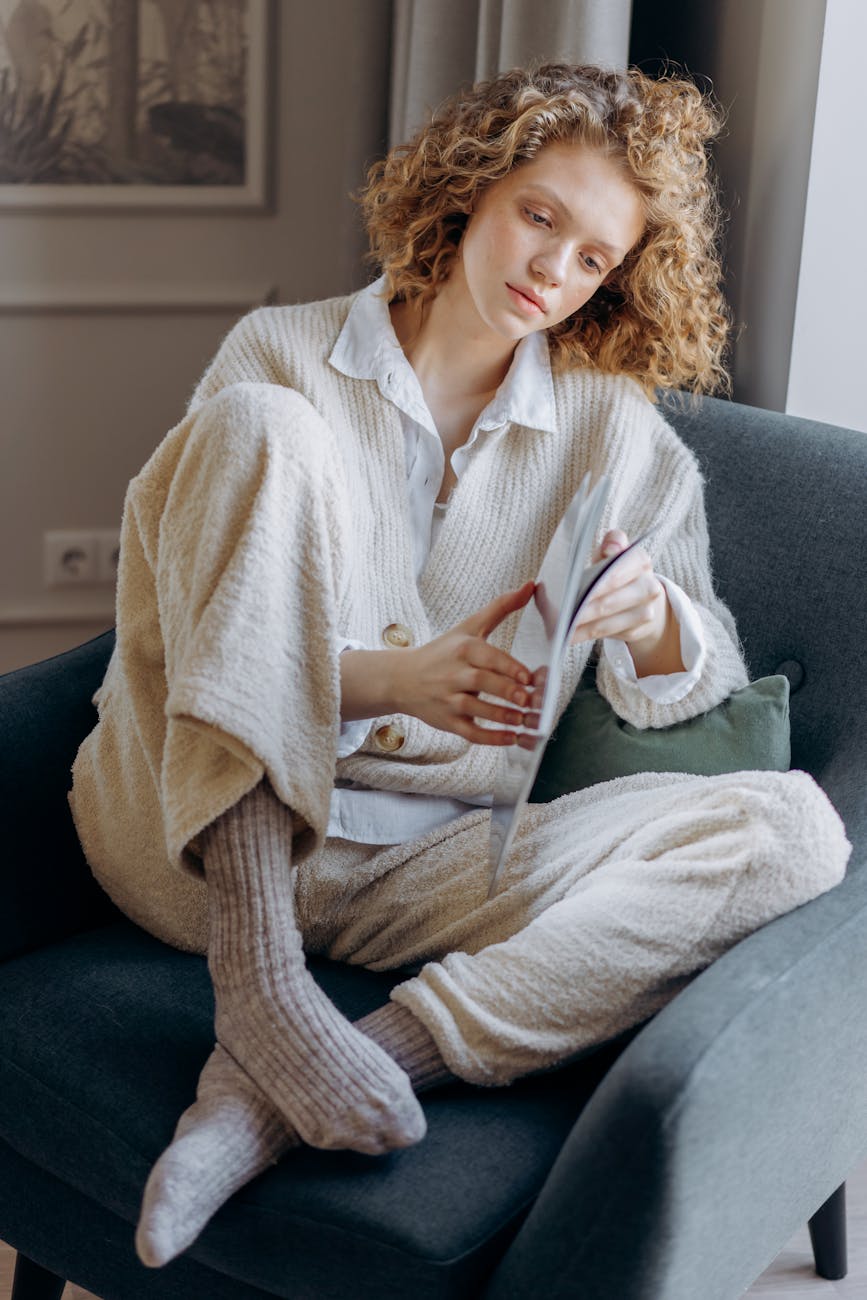
Instead, think soft cotton pyjamas, baggy joggers, oversized hoodies, and anything with minimal seams or labels that might irritate sensitive skin.
Footwear matters too. On bad days, even slippers can feel too tight or structured. On days like these, I love wearing my thick, woolly slipper socks.
The Medication Station
Having your medications organised and easily accessible is crucial when you’re dealing with a flare. There’s nothing worse than having to hunt around for pain relief when you can barely move.
I keep a small basket with all my flare-day essentials: regular pain medication, any rescue medication my GP has prescribed and any topical creams or gels that help. I also include throat lozenges (dry mouth from medications can be a problem for me).
A pill organiser can be helpful too, especially if you take multiple medications or if brain fog makes it hard to remember what you’ve taken. I use a weekly one that I fill every Sunday, so even on the worst days I know exactly what I need to take and when.
Keep a water bottle or glass nearby too – staying hydrated is important, and many medications work better when you’re properly hydrated.
Comfort and Distraction Tools
Sometimes the best medicine for a flare is distraction. When you’re stuck in bed or on the sofa, having things that can occupy your mind without requiring too much energy becomes really valuable.
Books are obvious choices, but consider audiobooks or podcasts for when your eyes are too tired or your head hurts too much to read.
Puzzles, adult colouring books, or simple crafts can provide gentle distraction if you’re up for it. The key is having options that require minimal setup and can be easily put aside if you need to rest.
Essential Comfort Items
There are some things that just make everything feel a bit better when you’re struggling. For me, that includes a really soft blanket that’s just the right weight – heavy enough to feel comforting but not so heavy it becomes restrictive.
A good pillow setup is crucial too, so you can prop yourself up comfortably. I swear by V pillows and have a couple of them.
Lip balm, hand cream, and tissues should be within easy reach. Chronic pain can affect everything, including how your skin feels, and having moisturising products nearby can provide small comfort.
Don’t forget about aromatherapy. Whether it’s a lavender pillow spray, some essential oils, or scented candles, gentle scents can be really soothing. Just be mindful that some people become more sensitive to smells during flares.
Organisation: Making It All Work
The key to a good comfort kit is organisation. There’s no point having all these lovely comfort items if you can’t find them when you need them most.
The Emotional Comfort Kit
Don’t forget that flares affect your emotions as much as your body. Having some emotional comfort tools ready can be just as important as the physical ones.
Sometimes just having a list of gentle activities you can do when you’re struggling helps. Things like “text a friend,” “listen to a favourite album,” or “look through old photos” can provide direction when everything feels overwhelming.
Adapting Your Kit
Your comfort kit will evolve as you learn what works best for you. What helps during winter flares might be different from what you need in summer. What works for pain-heavy flares might differ from fatigue-dominant ones.
Pay attention to what actually helps and what just seemed like a good idea. I’ve definitely bought things that I thought would be helpful but turned out to be more hassle than comfort.
The Bottom Line
Having everything ready for a flare means you can focus on resting and recovering rather than scrambling around trying to gather what you need.
The best comfort kit is the one that works for you. Start with the basics – heat, soft clothes, easy food, and whatever brings you comfort – and build from there. Your future self, mid-flare and grateful for your preparation, will thank you for it.

 Musings on Life with Fibromyalgia
Hi, I’m Melinda from Looking for the Light and would like to reblog this post with your permission. I have many people in the community with Fibro. 🙂
LikeLiked by 1 person
Of course you can my friend. Thank you very much 😊
LikeLike
love the idea of an emotional comfort kit! Great post, best wishes, Linda xx
LikeLike
Thank you Linda. Hope all is well with you xx
LikeLike