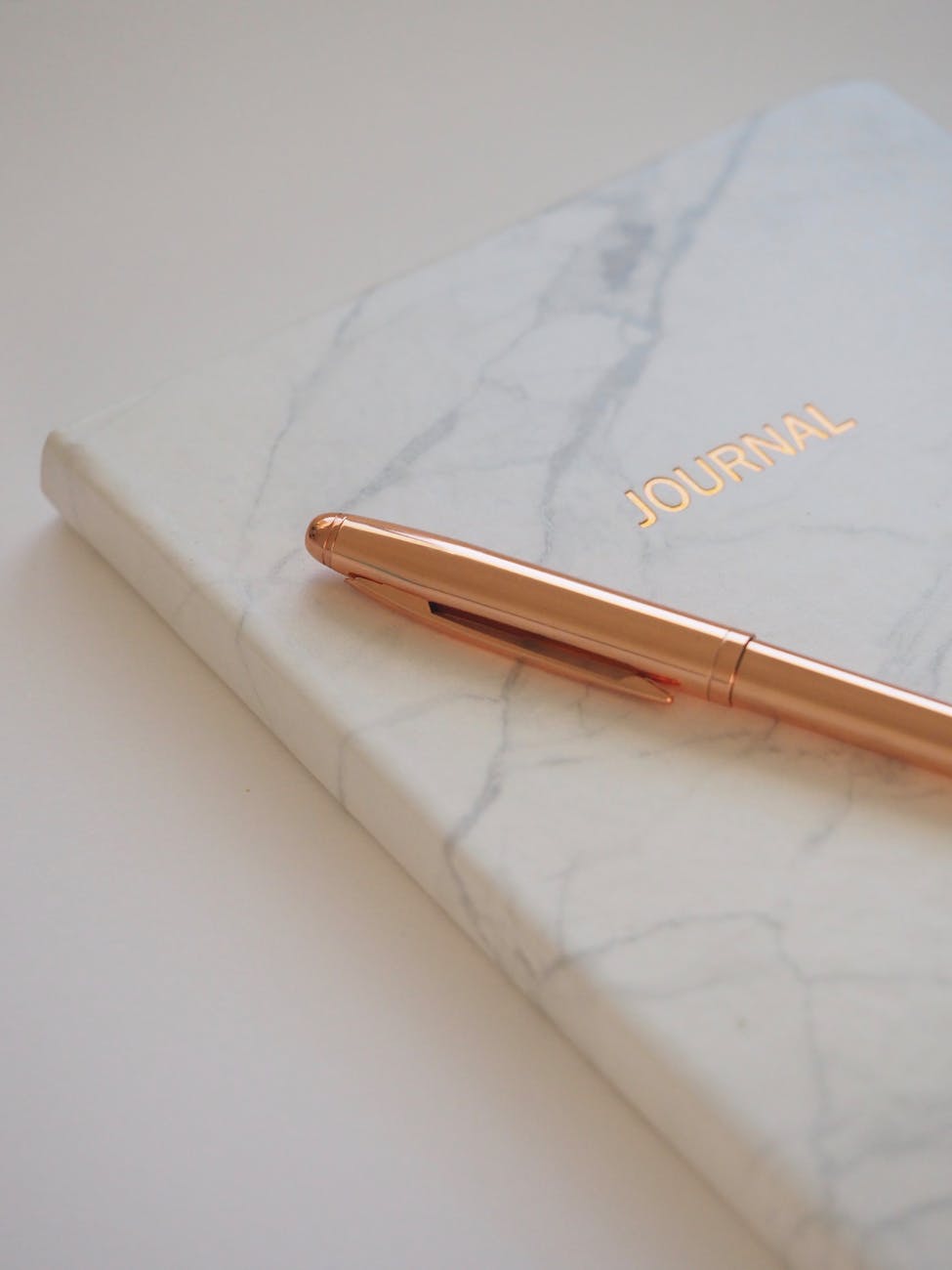
Living with a chronic illness often feels like navigating an ever-changing landscape of symptoms, treatments, and emotions. Since diagnosis with fibromyalgia over 11 years ago, one tool in my wellness toolbox that I’ve made use of consistently is journaling although the focus of what I write down has changed over the years. Journaling might be a simple tool requiring nothing more than a notebook and pen, journaling has helped me to manage daily challenges, explore my feelings and improve my overall well-being.
Getting Started: The Power of Symptom Tracking
When I was first experiencing symptoms and was back and forth to GP and consultant appointments, my mind was overwhelmed and I often found myself unable to recall or articulate how my symptoms had been.
To keep better track of symptoms, medications, appointments and how I felt each day, I bought myself a notebook where I wrote everything down. My journal became a dedicated space to process these experiences and gather valuable insights about what I was going through.
Keeping a detailed health journal can help you to recognise patterns in your symptoms that might otherwise go unnoticed. At the start of my journey with fibromyalgia, I tracked my sleep, what I ate, stress levels, menstrual cycle, any medication taken and my daily activities as well as the symptoms I experienced that day. I’d use prompts such as the ones below to guide me:
- On a scale of 1-10, my overall wellness today is ___, because ___
- Today my main symptoms are ___
- How did my sleep quality affect my symptoms today?
- What foods seemed to impact how I felt?
- What activities did I do today and how did they make me feel?
- What questions do I want to ask at my next doctor’s appointment?
- What medication did I take?
- What side effects am I noticing from my medications?
- What strategies helped me manage my symptoms best today?
I found that this helped me to begin to identify triggers and from there I was able to slowly make better informed decisions about lifestyle choices, what was helping me and what wasn’t. Plus, having all of this information at my fingertips during medical appointments allowed me to cover everything I wanted to with the clinician.

Moving Beyond Symptoms: Capturing Progress and Joy
In the early days, the sole focus of my journal would be on tracking what was going on for me but as time went on, I began to journal about things that I’d achieved in the day, goals for the following days and weeks, what I was grateful for, and anything new I’d learned about fibromyalgia, using prompts such as:
- What physical achievements, no matter how small, am I proud of today?
- One thing that brought me joy today was ___
- One small goal I have for tomorrow is ___
- What have I learned about my condition this week that might help me moving forward?
- Despite my challenges today, I’m grateful for ___
I found that writing about these areas helped with the depression and feelings of utter bewilderment I felt as I was trying to figure out what was going on with my body and why it no longer worked as it used to.
Over time, I realised that I’d come to enjoy my journaling practice and was something I’d look forward to. In part this was because I love stationery and journaling gave me a good excuse to treat myself to nice books and pens! But I also found that the physical act of writing things down on paper helped to slow my often racing brain as I focused on the movements of my hand, the feel of the pen and paper and the flow of the words. For me, journaling was, and still is, a mindfulness practice.
Journaling provides me with a private outlet for processing complex feelings and working through any frustration, anxiety, or depression that I might experience. Thinking about what I have managed to achieve in a day and what I’m aiming to do in the future allows me to feel in control of my condition rather than fibromyalgia being in control of me. I also find that writing about what I am grateful for and what has brought me joy in a day keeps me focused on the positive.
Choosing Your Journaling Format
There are several approaches to journaling, and you might want to experiment to find what works best for you. I use the first option, but it might not be for everyone.
Traditional Narrative Journaling – A simple notebook and pen approach allows for free-flowing thoughts and detailed descriptions. It’s low cost, portable and doesn’t require technology. However, it can be challenging to organize information for later reference, and some days writing by hand might be difficult due to pain or fatigue.
Bullet Journaling – This structured approach uses short bullet points and symbols to track different aspects of your health. It’s excellent for spotting patterns and keeping information organized, making it easier to share with healthcare providers, but it might not be so helpful for emotional processing.
Digital Apps and Tools Apps such as Curable offer convenient tracking with features like reminders, graphs, and easy searching. Some apps allow you to export data for your medical team. The main drawbacks are screen time (which can be problematic for some) and privacy concerns.

Overcoming Common Journaling Challenges
You might be thinking ‘I’m already exhausted – how can I add one more thing to my day?’ or ‘I never stick to new habits.’ These are valid concerns, but journaling doesn’t have to be perfect or time-consuming. You could start with just 5 minutes before bed, focusing on 2-3 key symptoms or feelings. Some days, a simple pain score and one-word mood description might be all you can manage – and that’s okay. Remember, any information you track is valuable, even if it’s not daily or detailed
Making Journaling Work for You
While there’s no ‘right’ way to keep a health journal, these practical tips can help you develop a sustainable practice:
Set Realistic Expectations – Start small with just a few minutes each day. You can always expand your practice later as it becomes part of your routine. Choose a consistent time that works for you – whether it’s with morning coffee or before bed.
Organize Your Information – Create simple sections in your journal for different types of information: symptoms, medications, appointments, and emotional well-being. This makes it easier to spot patterns and find specific information when needed. Consider using different colourred pens or tabs for different categories if that helps you.
Make It Enjoyable – As I mentioned earlier, treating yourself to a nice notebook or special pen can make journaling more appealing. Create a comfortable journaling space, perhaps with a warm drink and soft lighting. The more pleasant the experience, the more likely you are to continue.
Be Flexible – Some days you’ll have more energy for detailed entries than others. Create a simple ‘low energy’ template for tough days – perhaps just a few checkbox items or a 1-10 scale for key symptoms. This helps maintain consistency without overwhelming yourself.
Review and Reflect – Set aside time once a month to review your entries. Look for patterns, celebrate progress (no matter how small), and adjust your tracking system if needed. This reflection helps you get the most value from your journaling practice and keeps it relevant to your needs.
The Long-term Impact
Over time, a journal may well become more than just a record – it transforms into a powerful tool for self-advocacy and personal growth. The insights you gain can help to:
- Make more informed decisions about your health
- Feel more in control of your condition
- Communicate more effectively with your support system
- Track your progress and celebrate improvements
- Focus on what is good in your life and those things that bring you joy
Final Thoughts
While journaling isn’t a cure-all, I’ve found it to be an invaluable tool in my chronic illness management toolkit. Start small, be consistent, and it’s amazing how this simple practice can work wonders! I’d love to hear if journaling is part of your pain management toolkit and if so, how you use it.

 Musings on Life with Fibromyalgia
Having a journal or a diary is so important when we have medical issues, I know that if I don’t write stuff down I will forget it, I also need to keep track of what sets of my tremors, how the weather affects me as well as the time of day. I function better in the mornings as the day wears on things become more difficult and my concentration becomes affected
LikeLike
Yes, totally agree. If I don’t write things down, they fly through my mind and disappear forever…like you, I find that as the day goes on, my concentration fades too so a trusty pen and pencil has come to my rescue many times.
Best Wishes to you
Sarah
LikeLike
It is so frustrating at times when I think of something while doing one job and before I get a chance to make a note of my thought I have forgotten it, but nice to know I am not alone
LikeLiked by 1 person
Great post – love the idea of “Capturing Progress and Joy” – Linda xx
LikeLiked by 1 person
Thank you Linda 😊 xx
LikeLiked by 1 person
🥰
LikeLike