One of the things I’ve found hard since I’ve had fibro is the guilt of being the friend who cancels plans at the last minute, who can’t commit to things weeks in advance, who says “maybe” when everyone else is saying “yes absolutely.” I don’t think that this is just an issue for people with fibro, it could apply equally to a multitude of medical conditions.
My energy levels and pain are never predictable. I might wake up feeling reasonably human and ready to tackle a day out, only to find that by lunchtime I’m struggling to keep my eyes open and every muscle feels like it’s been put through a vigorous spin cycle. And not surprisingly, all of that has a knock on impact on what I do and don’t do in a day.
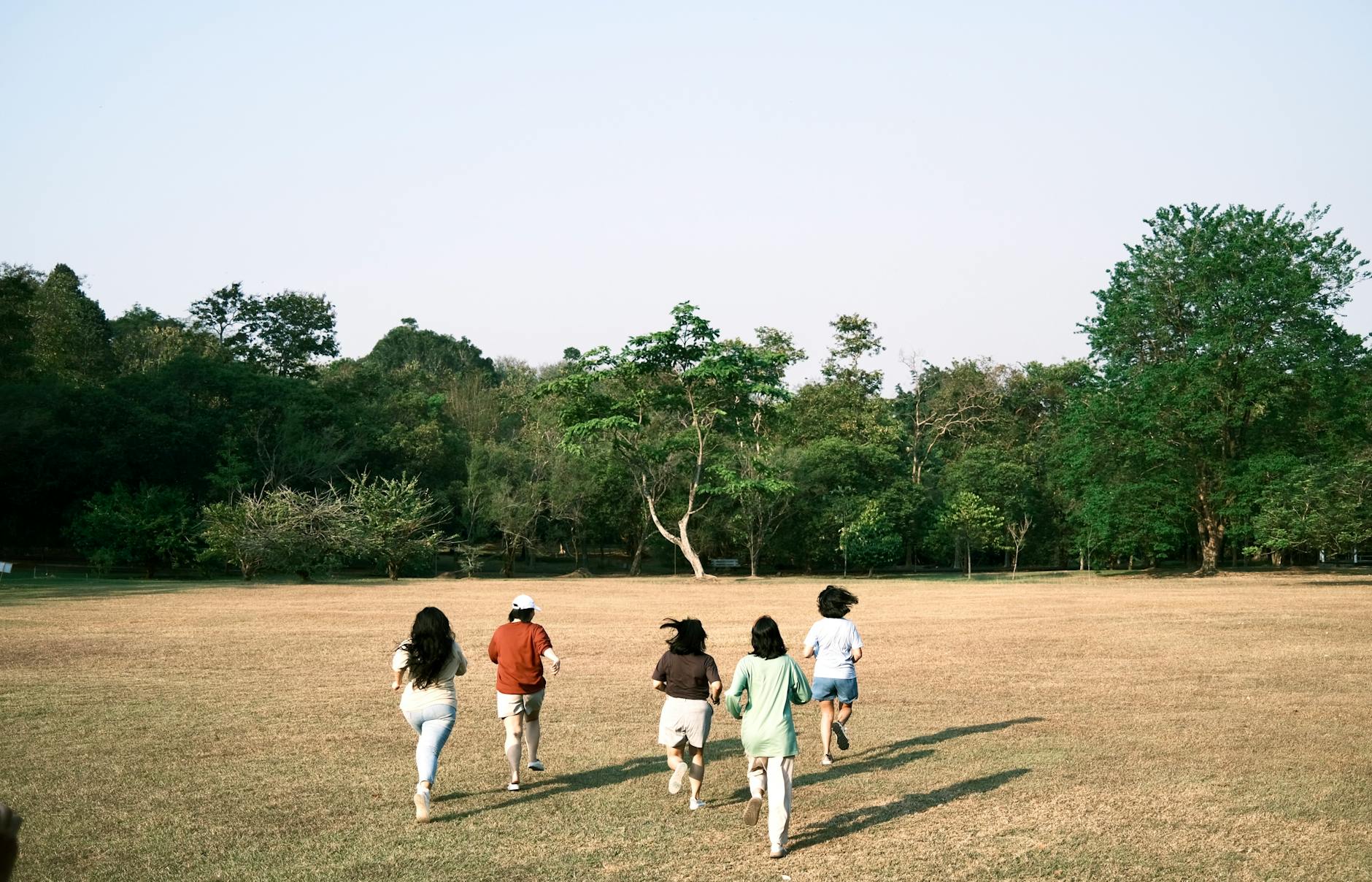
We’ve all got that one friend, haven’t we? The one who’s always got an excuse, who bails on plans, who you stop inviting after a while because what’s the point? The awful realisation that chronic illness can turn you into “that person” is genuinely heartbreaking.
I remember the first time I had to cancel plans because of a fibromyalgia flare. It was a day out that me and my group of friends been planning for months, and I felt absolutely dreadful – both physically and emotionally. The worry that this was just the beginning, that I’d become the friend people stopped bothering to invite.
In my experience, some friendships don’t survive chronic illness. There are many people out there who simply don’t understand that “looking fine” doesn’t mean feeling fine, or that cancelling plans isn’t about not wanting to see them – it’s about literally not being able to function. I’ve found that being upfront about fibromyalgia– what it is, how it affects me, and why my availability can be so unpredictable can help for some people, although there will be others who just won’t get it.
Nowadays, instead of committing to definite plans weeks in advance, I’ve started suggesting loose arrangements. “Shall we aim for coffee on Saturday morning? I’ll message first thing Saturday to confirm how I’m feeling.” Most genuine friends appreciate the honesty and are fine with this approach.
I’ve also learned to suggest activities that work with my limitations rather than against them. Instead of agreeing to a full day out that might be too much, I’ll suggest meeting for coffee rather than dinner. Also, having backup plans has helped. “Let’s plan to meet at the park for a walk, but if I’m having a rough day, would you be up for just lunch?” would be an example. If I do need to cancel, then I try my best to suggest an alternative time/date/activity that I would be able to manage.
Maintaining friendships with chronic illness requires more communication, more planning, and more understanding than friendships typically need. It’s exhausting sometimes, on top of everything else you’re dealing with.
You’re not the unreliable friend. You’re the friend dealing with something difficult while trying your best to maintain connections with the people you care about.
For those readers who have chronic illness, has your health had an impact on your friendships? Have you any tips to share? I’d love to know.

 Musings on Life with Fibromyalgia
Looking fine is misleading. I have multiple chronic conditions including Fibromyalgia and Bipolar Disorder. I wear a mask often around others,even when writing to a point.A friend to me is one who knows you not the surface, you can be honest with and don’t judge you. We are not blessed with many of those.
LikeLiked by 1 person
yes I think mask wearing is quite widespread especially with invisible conditions. I don’t tend to mention my condition to those I don’t know well for fear of not being believed or being seen as a hypochondriac. But I don’t have many close friends any more and I treasure the few I do have. As you say, non judgemental folks are few and far between
LikeLiked by 1 person
Putting some flexibility in your plans sounds like a good idea and I would appreciate this. I have friends with various life-limiting conditions and we always try and arrange get togethers that don’t exclude anyone. If it is a full day we will offer drop-in options for people. For example, those who are able might take a walk in the morning and then meet for lunch / coffee somewhere at an agreed time so that others can join in.
LikeLiked by 1 person
This is a wonderful approach to allow everyone to be a part of whatever is going on. What a lovely, considerate friend you are 😊
LikeLike
I didn’t go out very much for a few years, now I get out at least once a fortnight with my sister who understands about the exhaustion and doesn’t make me feel rushed or gets annoyed if I feel the need to rest for a bit.
LikeLiked by 1 person
It’s great that you have someone close who understands what you need. Sometimes it can be really hard to speak up if you need to rest or take a break in case you’re seen as just being awkward
LikeLike
Over time the friends who get it are the ones who last … in the meantime be kind to yourself, it’s not your fault. Sending love and support, Linda xx
LikeLike
Very true Linda. And it’s often not the people who you might have thought who end up as the ones who are still around.
Sending light and love right back to you my dear
Sarah xx
LikeLike
What an insightful article. It is difficult when you have a condition that means you ‘look fine.’ I suffered from severe depression for many years (it’s better now, but not gone completely) and had to endure ‘but you don’t look depressed’ and everyone’s certainty that I was faking it to have a holiday off work!
It surprised me which friends were supportive – and which abandoned me. It wasn’t who I expected… LIke you, sometimes I simply couldn’t face a social situation, and at its worst, I couldn’t summon the energy to get out of bed and couldn’t leave the house in case a stranger looked at me.
Very strange for someone who once gave an impromptu speech when asked to an audience of 200 at an international meeting!
It sounds like you’re aware, and manage these situations by knowing your limitations and offering alternatives. I’m sorry you have to deal with this, but true friends will understand and support you.
Sending you love.
LikeLike
Thanks for stopping by and for your lovely comment Jacqueline. I’m sorry you’ve had to deal with severe depression. Having suffered with poor mental health on and off for years, I know it can be utterly debilitating and take so much hard work to manage and I’m so glad you’re doing a lot better now. It is often not the ones we would expect who support us most, yes.
Sending you love right back 🙂
LikeLiked by 1 person
Thank you – much appreciated 🙂
LikeLike