For many of us, life changes when we are diagnosed with a chronic illness. Changes could be related to our career, finances or how we spend our leisure time. No matter what the change is, dealing with it and learning to let go can create difficult feelings, especially if we have to stop doing something we enjoyed previously. So in this post, I wanted to write about some tips on making letting go just that little bit easier.
Be kind to yourself and accept the change
Being forced to stop something such as work or a hobby due to a health issue can have a large impact on our sense of self, because effectively, we are losing a part of our identity. We might feel angry, embarrassed, anxious or depressed or a mixture of these, plus many more, I know I did. At the time, I don’t think that I fully appreciated I was moving into a new phase of life with fibromyalgia and didn’t acknowledge how big a change this was, so I struggled for a number of years.

If we do need to give something up to make a life change to fit in with new capabilities then it is important to recognise this is a life transition, it may be difficult and it’s important not to downplay it and deny your feelings. Instead, allow yourself time and space to process the change, be kind to yourself and remember there isn’t a time limit on dealing with chronic illness.
I found that journaling really helped me with acceptance as it enabled me to get the churn of feelings inside my head down on paper and get a better handle on what I was experiencing.
Find and Use Sources of Help
Help with chronic illness doesn’t just refer to the actual illness symptoms; having time to talk about your life transition can be beneficial too. Sometimes, it’s enough just to be able to sit down and speak to someone about how you’re feeling as it can give us perspective and another way of looking at things. This could be a friend or trusted family member, or you could seek help from a professional.
In the UK, talking therapies, also known as Improving Access to Psychological Therapies (IAPT) services, are available via the NHS. At the time I was diagnosed, my local IAPT service offered a Cognitive Behaviour Therapy (CBT) based class on living with a chronic illness, which I found useful in helping me to envisage how my future could look. I still use the course notes even now when I hit a rough patch.
For other people, a chronic illness support group might be helpful and offer the opportunity to speak to others who will understand what you are going through.
Seek Alternatives
If you have had to give up a job or a hobby then it can be worth finding something as a replacement to keep your mind and body as active as possible.
If you’ve had to step away from a valued hobby, then consider how doing it made you feel, prior to illness. For example, if you used to be part of a running group, then it could be the social side of the group as well as the physical benefits of running that you enjoyed. So you could find new activities in line with your capabilities to replace both of those benefits. For example, perhaps join a walking group instead (which ticks both boxes) or start walking by yourself (physical benefits) and join an online book group as well to cater for the social aspect.
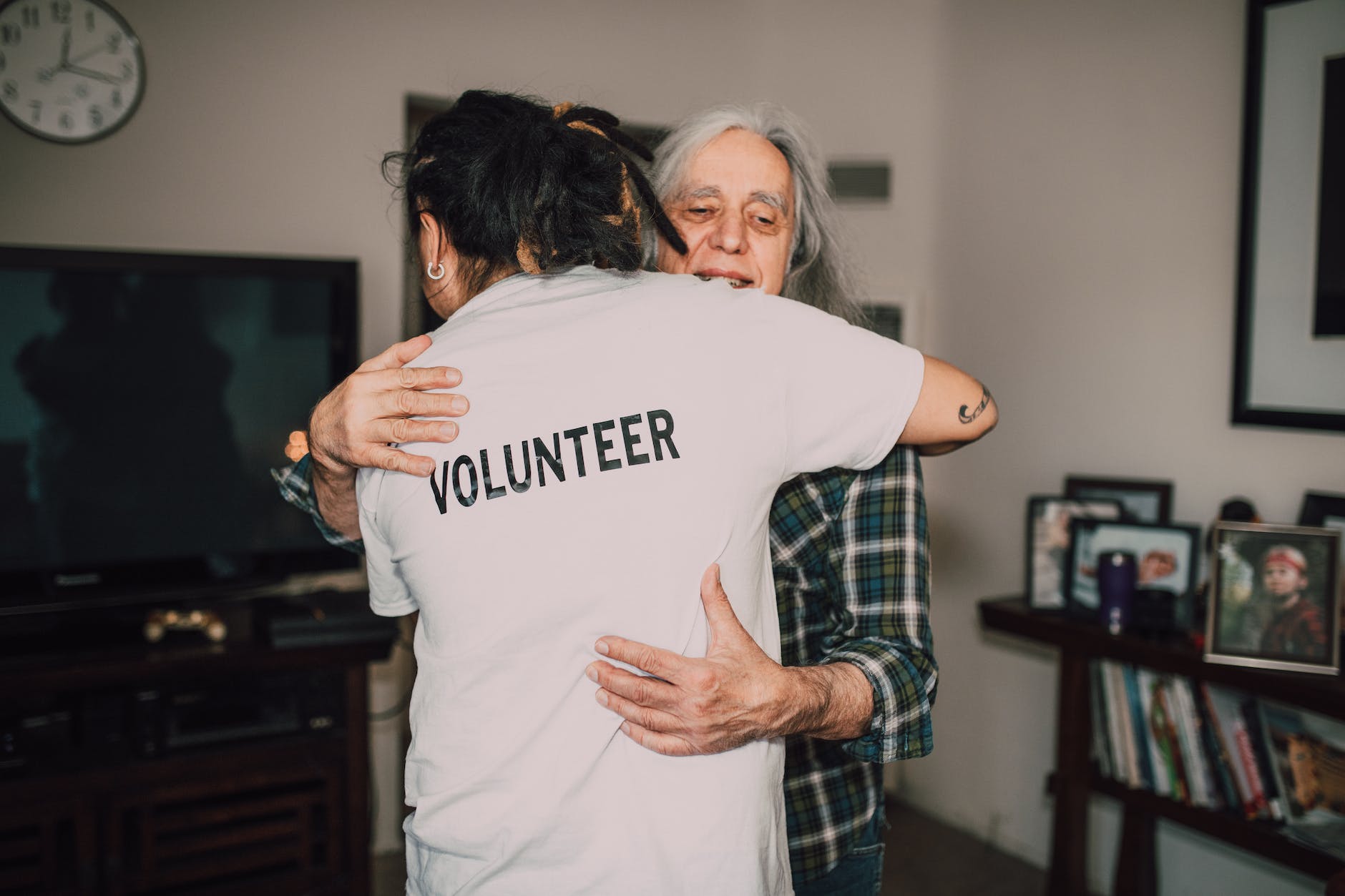
If you have had to give up work, then it might be worth considering if there is any voluntary work that you could do instead to make use of your skills or even learn some new ones. I have a separate post on that here.
Or chronic illness could be a good time to start something that you have always wanted to do but perhaps haven’t had the time until now, I’m thinking of things like crafting, online learning, reading books you’ve always wanted to read.
Don’t Give Up
And finally, it can take a long time and several false starts before finding alternatives to the things you used to do and even longer to reach a level of acceptance. But with time, kindness and perseverance, it is possible to let go and create a new life for yourself even if it does look very different from how things used to be.

 Musings on Life with Fibromyalgia
Thank you for this post, it helped me to read it. xo
LikeLike
Hi Masha – thanks for reading and commenting. I’m glad it helped.
Sarah x
LikeLike
I think your first point is really important. I know when I got my diagnosis that my ME/CFS had returned and that I’d be stuck with it for the rest of my life, I felt like the rug had been pulled from my feet – I thought I’d overcome this, defeated it – how could it be back. I think sometimes when we get these diagnoses its like dealing with grief and we need to accept that and learn to let go.
LikeLike
Hi Brenda – thank you for reading and commenting. Yes, I think we do experience grief when we have these diagnoses, grief for our former life and former capabilities and it’s so hard, but it is possible to accept and adapt. Nonetheless, I’m so sorry that you have had to go through this too.
Very best wishes
Sarah
LikeLike
Thanks for the post. I was diagnosed with fibromyalgia around 1995 and spent years coming to terms with it and learning to manage it. I had it pretty well managed when I hurt my back in 2010 and have been on disability ever since. This was hard again as I am even more limited in what I can do now. Having been through the acceptance process once already I knew intellectually how to deal with it – the emotions were still there though. As someone above said it’s like grief – grief for the life I used to have and thought I would continue to have. Thanks so much for writing about this I look forward to seeing more of your posts.
LikeLike
Hello Roze – thanks for reading and commenting on my blog. Sorry it has taken me a few days to reply, just come out of a bad migraine.
I’m sorry to read about your fibro and back injury on top of that. I get what you mean about knowing how to deal with acceptance on an intellectual level versus emotional and I think that acceptance generally requires a lot of “inner work” over a long period of time. And as with grief, the journey to acceptance isn’t linear, even now external events can trigger feelings of not only grief for me, but also anger and even jealousy which can be hard to process too.
Look after yourself
Very best wishes
Sarah
LikeLiked by 1 person