Pain Management Programmes are offered by the National Health Service (NHS) in some areas of the UK as an option for patients who have been referred to their local Pain Service. Earlier this year, I was fortunate enough to be offered a place on a PMP, so I thought it would be helpful to share some of my experiences here:
What is a Pain Management Programme (PMP)?
It’s a series of group sessions aimed at those experiencing chronic pain. The goal is to share skills and knowledge to better enable patients to self manage their condition.
The course that I attended was a 10 week in person course for 3 hours each week.

How did I access the programme?
It started when I saw a different GP at my usual practice. She was very surprised that I’d never been referred to a Pain Management consultant despite having been diagnosed with fibromyalgia nine years ago. The doctor organised a referral for me and I had a wait of 10 months before my appointment came around. At the consultation, we discussed the symptoms that I find most troublesome, my medication, what exercise I do and what else I do to try to self-manage my condition. The consultant confirmed that I’m doing everything that I can to try and help myself, but she did feel that there would still be some value in me attending a PMP.
The next step, 4 months later, was attending an assessment day with the three clinicians who run the PMP – a physiotherapist, a specialist pain management nurse and a clinical psychologist.
All prospective attendees spoke with each of the clinicians separately to ensure that the PMP was a good fit. There was also a simple physio assessment to check that there was no reason why we couldn’t take part in the important physical element of the programme.
It took 6 months from my appointment with the consultant to actually starting the PMP.
How did the course work?
Each session was split into three parts. The first section was education about the focus topic of the week. I’m hoping to write separate blog posts on some of these in due course. Topics included:
- What is pain?
- Medications
- Sleep
- Communication
- Planning, pacing, prioritising
- Activity scheduling
- Goal setting (this was covered early on and we came back to it each week. We were expected to have goals, however small, to work on in the week and report back)
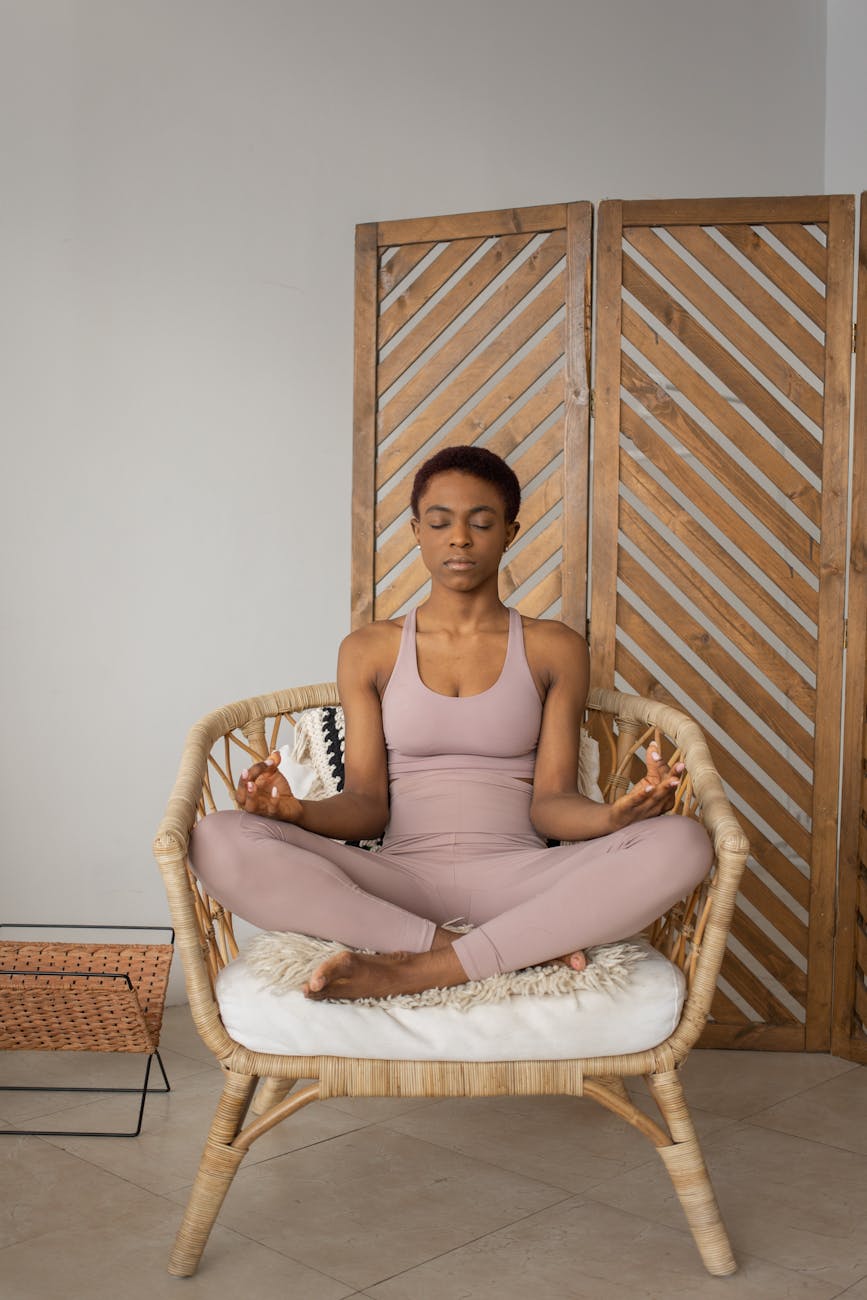
We’d then have a break with drinks and cake, followed by the second part of the course – gentle exercise. This lasted about half an hour and we rotated between circuits. chair yoga or t’ai chi.
As there was a wide range of physical abilities within the group, the physiotherapist ensured that everyone was working at an appropriate level for themselves. Exercises were adapted where necessary.
The final part of the session was a mindfulness meditation, which differed each week.
The advice wasn’t specific to fibromyalgia since participants had a range of different conditions such as osteoarthritis, pain following operations and rheumatoid arthritis.
Yes, I did and yes I have! I came away with some new tips and tricks different things that I could try, especially around planning and pacing. I now make a much more conscious effort to plan out my time week by week to better manage my pain and fatigue.
Did I find it useful? And have I changed how I manage my chronic illnesses?
I’m now doing a weekly chair yoga class which I never would have signed up for had I not done the course and tried it.
It was really good to build a network of people who really understand chronic pain. There were participants with different conditions to me but so many commonalities in terms of living with pain, and some of us are still in touch.
Were there any difficulties?
It was quite difficult for me to get to the venue from where I live. Public transport wasn’t an option so I had to drive into a large and busy town, which I found draining.
After the first week, it became clear that I’d have to ensure that the day before and the day after the class were left clear so I could better pace myself and make sure I could get to the class.
I also found the seating quite uncomfortable (although it was absolutely fine to get up and stretch during the sessions). I took my own cushion after the first week, and this really helped.
To begin with, there were 12 of us on the course but 3 dropped out. I think those who didn’t complete the PMP perhaps found it hard to accept that they would be expected to exercise and take ownership for managing their condition. Not everyone is ready to hear those messages and beginning to exercise, albeit gently, can be really hard for some people.
What were my key learnings?
Taking part in a PMP most likely won’t reduce your pain. You have to be open minded and at the right place in your self management journey to take advantage of what’s on offer and put the ideas into practice so that you can live more easily alongside your pain.
What to do if you’re interested in taking part in a PMP
In the first instance, speak to your GP to find out what is on offer in your area.
You can find more information about PMPs in this PDF from the British Pain Society


2 thoughts on “Pain Management Programmes – a useful resource for fibromyalgia?”