Sleep and chronic pain have what I can only describe as a tumultuous relationship. Pain keeps us awake, and poor sleep makes pain worse – it’s a frustrating cycle that many of us know all too well. After years of living with fibromyalgia, I’ve learned that creating the right sleep environment isn’t just about comfort; it’s about giving our bodies the best possible chance to rest, repair, and hopefully wake up feeling a little less battered by life.
Your bedroom should be your sanctuary, a place where pain takes a back seat and rest becomes the priority. Here’s what I’ve discovered works – and what definitely doesn’t.
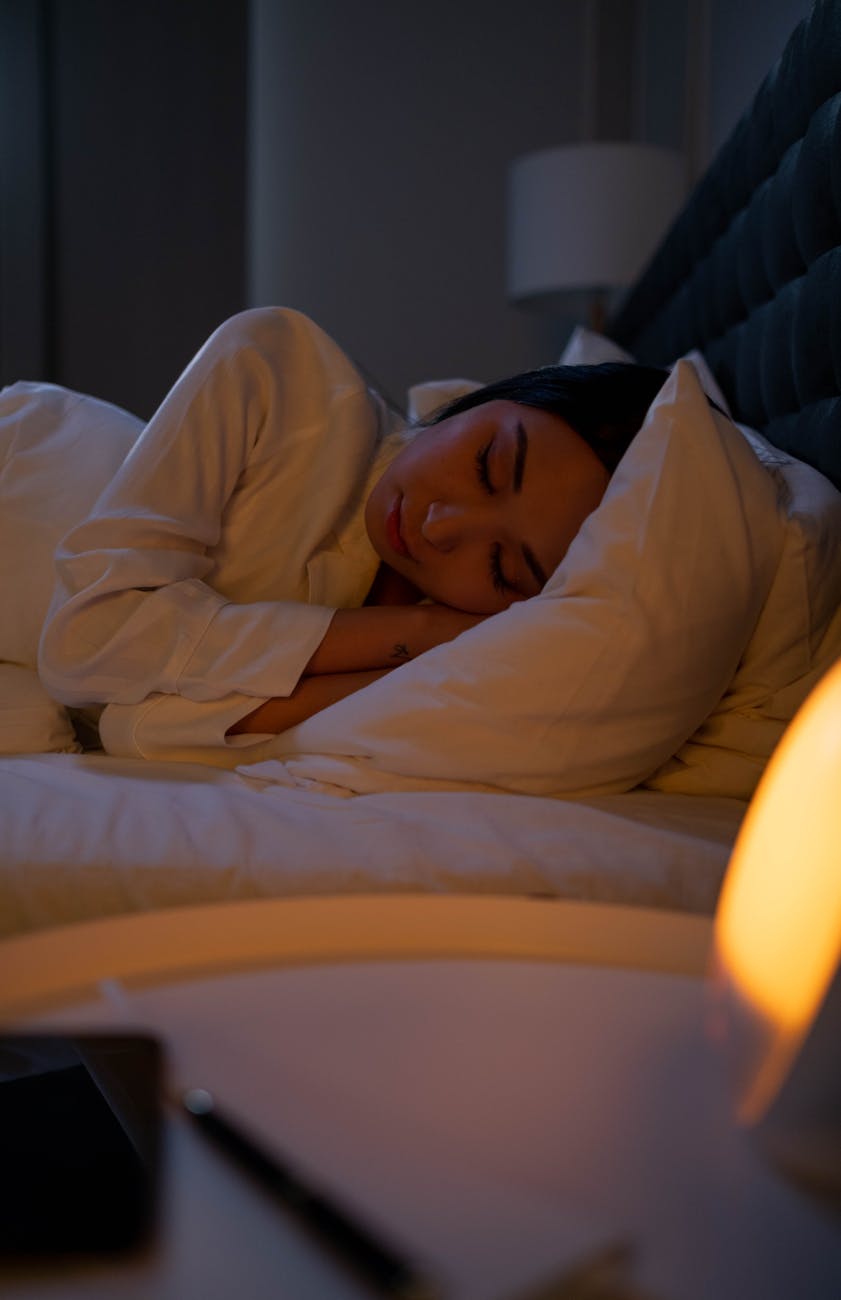
The Foundation: Getting Your Mattress Right
When you’re dealing with chronic pain, your mattress isn’t just a place to sleep; it’s a crucial piece of medical equipment disguised as bedroom furniture.
I’ve been through more mattresses than I care to count, and here’s what I’ve learned: there’s no universal “best” mattress for chronic pain. What works for my dodgy knees and fibromyalgia might leave someone else feeling worse. The key is finding the right balance of support and comfort for your specific needs.
Memory foam can be wonderful for pressure point relief – it moulds to your body and distributes weight evenly. But some people find it too warm or that it makes them feel “stuck.” Hybrid mattresses, which combine springs with foam layers, offer good support while still providing some pressure relief.
The mattress topper game-changer shouldn’t be overlooked either. If your mattress is reasonable but not quite right, a good topper can make all the difference with less expense.
Pillow Talk: Supporting More Than Just Your Head
The right pillow should keep your spine aligned, support your neck, and not leave you wrestling with it half the night. But when you’re dealing with chronic pain, pillows become multi-purpose tools.
For neck support, the height matters enormously. Side sleepers typically need a higher pillow to fill the gap between their shoulder and neck, while back sleepers usually need something lower. Stomach sleeping – well, it’s generally not recommended if you have neck or back issues, but if that’s how you sleep best, you’ll want the flattest pillow possible.
But for those of us with chronic pain – strategic pillow placement can work wonders. A pillow between your knees when side sleeping can align your hips and reduce lower back strain. A small cushion under your knees when sleeping on your back can take pressure off your spine. And if you’re dealing with shoulder pain, hugging a pillow can keep your arms in a more comfortable position.
I keep my personal pillow collection – different shapes and firmness for different nights and different pain levels by the side of my bed.
Your Bedroom Environment
Temperature control is absolutely crucial when you’re dealing with chronic pain. Many conditions, including fibromyalgia, can make temperature regulation tricky. I’ve found that keeping the room on the cooler side – around 16-19°C – works best. You can always add blankets, but it’s much harder to cool down when you’re too warm and in pain.
Darkness is your friend. Blackout curtains or blinds aren’t just for shift workers – they’re essential for anyone serious about good sleep hygiene. Even small amounts of light can interfere with your body’s production of melatonin. I invested in proper blackout blinds years ago and it made a noticeable difference.
Sound management matters too. If you live somewhere noisy, a white noise machine or earplugs might be worth trying.
Sleep Hygiene: The Boring But Brilliant Basics
Sleep hygiene is really just about creating habits and routines that signal to your body that it’s time to wind down. When you’re dealing with chronic pain, these routines become even more important because pain can make it harder for your body to naturally transition into sleep mode.
Your pre-sleep routine should start well before you actually get into bed. For me, this means dimming lights around the house about an hour before bedtime, switching off screens (the blue light really can interfere with sleep), and doing something relaxing – whether that’s reading, gentle stretching, or having a warm bath.
Speaking of baths, they can be particularly helpful for chronic pain. The heat helps relax muscles and the magnesium in Epsom salts may help reduce inflammation. Just don’t make the water too hot or stay in too long, as this can actually be stimulating rather than relaxing.
Timing matters enormously. Try to go to bed and wake up at roughly the same time each day, even on weekends. I know this can be challenging when pain levels fluctuate, but consistency helps regulate your body’s internal clock.
The Reality Check: When Perfect Isn’t Possible
Here’s the thing though – some nights, despite all the preparation and perfect environment, pain will still keep you awake. And that’s OK. Well, it’s not OK in the sense that anyone should have to deal with it, but it’s OK in the sense that you haven’t failed.
On those nights when sleep feels impossible, resist the urge to lie there getting frustrated. If you’ve been awake for more than 20 minutes or so, get up and do something quiet and relaxing until you feel sleepy again. Reading with a dim light, gentle stretching, or even some quiet tidying can help reset your mind.
Small Changes, Big Differences
You don’t need to overhaul your entire bedroom overnight. Start with one or two changes and see how they work for you. Maybe it’s investing in a better pillow, or simply making your room darker, or establishing a proper wind-down routine.
Remember, creating the perfect sleep sanctuary is a process, not a destination. What works changes as our conditions change, as seasons change, and as we learn more about what our bodies need. The important thing is to keep experimenting and adjusting until you find what works for you.
After all, we spend roughly a third of our lives in bed – it makes sense to make that time as comfortable and restorative as possible.
What are you favourite tips and tricks for getting a good night’s rest? I’d love to know!

 Musings on Life with Fibromyalgia
I have a bedtime routine that starts an hour before actual bedtime. It includes a dark quite room, ultrasonic diffuser with relaxing essential oils, and a healthy shea butter hand cream. I then relax and hopfully clear my head to be ready at bedtime.
LikeLiked by 1 person
That sounds blissful 😊
LikeLiked by 1 person
It has helped me fall asleep much faster.
LikeLiked by 1 person
I’ve got to put some effort into thinking about my mattress… thanks for the reminder! Linda
LikeLiked by 1 person
Yes it can be one of those things that make such a difference, yet are easy to forget about and/or take for granted! Glad the post served as a reminder for you 😊
LikeLike